Funny Pickles Gifts: A Designer's Review for Embroidery
As a designer who has spent years translating digital files into tangible stitched goods, I approach every new asset with a critical eye. The market is flooded with Graphics that look perfect on a screen but fall apart under the needle. Today, I am evaluating Funny Pickles Gifts, a design file marketed primarily as an SVG for cutting machines like Cricut and Silhouette. However, for those of us running embroidery businesses or creating high-end handmade products, the question remains: can this whimsical concept translate effectively into a machine embroidery design? Let's dig into the practical realities of using this file in real-world projects.
The First Impression: Whimsy Meets Practicality
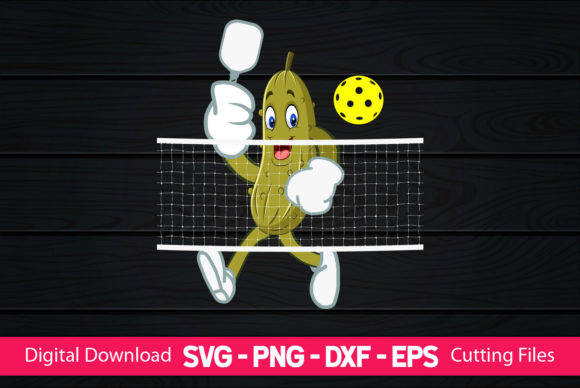
When I first opened the preview for Funny Pickles Gifts, the immediate mood was playful and lighthearted. Pickle-themed items have surged in popularity within the Crafts community, often signaling a fun, slightly quirky personality. Visually, the layout appears balanced, but the devil is always in the details when moving from vector lines to thread. For an embroidery project, the shape of a pickle offers a unique challenge. It requires smooth curves and distinct textural elements to mimic the bumpy skin of the vegetable without creating a muddy mess of thread.
In a professional setting, I assess whether a design feels like a cohesive piece of art or just a collection of clip-art elements. Funny Pickles Gifts leans heavily into character. If you are planning to use this for custom apparel, such as a summer t-shirt or a casual sweatshirt embroidery project, the vibe fits perfectly. It suggests a relaxed, friendly brand identity. However, before committing to a client order, I always ask myself if the visual weight of the design will hold up against the fabric texture. A flat, digital line might not account for the bulk of fill stitch required to make the pickle pop on a textured canvas.
Real-World Application: From Totes to Patches
To truly test the viability of Funny Pickles Gifts, I visualize it in a specific scenario: creating a limited run of embroidered tote bags for a local craft fair. Tote bags are a staple for any Etsy seller or small shop owner because they offer a large, flat surface area ideal for detailed work. In this context, the pickle design could serve as a central focal point. The organic shape of the pickle allows for creative thread colors. Imagine a bright chartreuse fill stitch for the body, contrasted with a dark green satin stitch for the stem and bumps. This combination would create excellent visual appeal and signal high quality to potential buyers.
Another strong use case is the embroidered patch. If you are producing merchandise for a boutique or a craft business, patches are versatile. They can be sewn onto denim jackets, backpacks, or even used as standalone gifts. The stitch density becomes crucial here. Since patches require durability, the design must be dense enough to prevent fraying but not so heavy that it causes puckering on the backing fabric. Funny Pickles Gifts seems suitable for this, provided the lettering—if included—is sized appropriately. Tiny text on a curved patch edge can become illegible once stitched, so scaling is key.
For holiday embroidery or seasonal gifts, this design works well on kitchen textiles like aprons or tea towels. The "pickle" theme resonates strongly with food-related decor. A personalized gift featuring this motif on a sturdy cotton towel would likely receive positive customer reactions, especially if the stitching looks crisp and professional. It transforms a simple household item into a conversation starter, increasing the perceived value of your finished product.
Navigating Challenges: Where Caution Is Required
While the concept is sound, every designer knows that not every design fits every situation. There are specific scenarios where Funny Pickles Gifts requires careful handling. First, consider small hoop sizes. If you attempt to fit the entire design into a 4x4 inch hoop, you risk losing detail. The intricate bumps on the pickle skin might get lost if the scale is too small, resulting in a blob rather than a recognizable vegetable. Always check the maximum dimensions recommended by the file creator, though since this is sold as a cutting machine file, you may need to adapt it for embroidery software yourself.
Fabric choice is another critical factor. On thin fabric or highly stretchy materials like jersey knit, a dense pickle design can cause significant distortion. You must use the correct stabilizer—likely a cut-away stabilizer for knits—to support the weight of the thread. Similarly, on dark fabric, the design needs a white underlay to ensure the colors remain vibrant. Without proper underlay, the green thread might appear dull against a black background, reducing the overall impact of the handmade product.
Curved surfaces present their own hurdles. If you plan to use this design on a cap or hat, the curvature can distort the roundness of the pickle. The stitching tension must be adjusted to accommodate the curve, otherwise, the design may pucker or shift. Additionally, detailed corners and tiny lettering associated with the phrase "Funny Pickles Gifts" can be problematic on uneven surfaces. In these cases, simplifying the design or enlarging the text is necessary to maintain readability and professionalism.
Designer Notes: Ensuring Quality and Compliance
Before you rush to stitch your first sample, follow these practical steps to ensure success. First, always test the design on scrap fabric. Use a similar material to your final product to gauge how the thread interacts with the weave. Check the thread color contrast to ensure the pickle stands out. Review the stitch density in your digitizing software; if the areas are too tight, you risk breaking needles or tearing the fabric. If the areas are too loose, the backing will show through.
Confirm the hoop size compatibility with your specific machine. Inspect small details closely; sometimes, what looks clear on a monitor disappears when stitched at 100% scale. Test the design in black and white mockups to see if the silhouette holds up without color distraction. Compare how it looks on both light and dark fabric backgrounds to anticipate any adjustments needed for different orders.
Finally, address the licensing and format. The product description states this is a digital file for cutting machines (SVG, PNG, DXF, EPS). It does not explicitly mention an embroidery file format like .PES, .DST, or .JEF. This is a vital distinction. To use this for embroidery, you will likely need to import the vector file into digitizing software and convert it manually. This process gives you control over the stitch types—deciding where to use running stitch for outlines versus fill stitch for the body—but it requires technical skill. Ensure you understand the license terms regarding selling finished items. While many digital product sellers allow commercial use of the physical goods, selling the file itself or using it for mass production may have restrictions. Always verify this to protect your commercial embroidery business.
Final Verdict on Visual Appeal and Value
Funny Pickles Gifts offers a charming, versatile aesthetic that can elevate a variety of personalized gifts and small shop products. When executed correctly with proper digitizing and stabilizer choices, it adds a touch of humor and personality that customers love. It enhances brand consistency for makers who specialize in fun, quirky home goods or apparel. However, its success depends entirely on the designer's ability to adapt a cutting-machine vector into a robust machine embroidery design. By respecting the limitations of fabric, hoop size, and stitch mechanics, you can turn this digital asset into a high-quality, profitable addition to your portfolio.