Funny Science Definitions: A Designer's Review
As a designer who has spent years translating digital files into tangible stitched goods, I approach every new asset with a critical eye. The market is flooded with generic graphics, but occasionally, a design arrives that strikes the perfect balance between humor and wearability. Funny Science Definitions is one such piece. While the listing highlights it as an SVG, PNG, DXF, and EPS file for cutting machines like Cricut and Silhouette, my perspective shifts when considering how this concept translates to the world of machine embroidery. Does this witty concept hold up under the scrutiny of a needle and thread? Let’s dive into a practical evaluation of how this design performs in real-world projects.
The Visual Personality and First Impressions
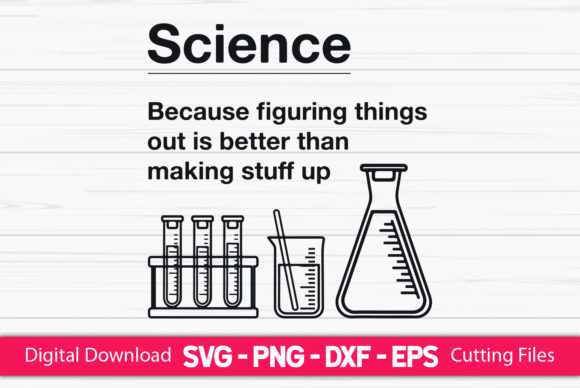
At first glance, Funny Science Definitions exudes a playful, intellectual charm that resonates deeply with the maker community. The layout suggests a clean, typographic focus, which is often the backbone of successful custom apparel. In the realm of Crafts and Graphics, text-based designs can be tricky; they require precise kerning and font weight to remain legible after stitching. This design appears to offer a layout that balances visual interest without overwhelming the fabric. The mood is lighthearted yet clever, making it an ideal candidate for personalized gifts or boutique merchandise aimed at educators, students, and science enthusiasts.
When I visualize this as an embroidery file, I see potential for crisp satin stitch on the lettering, perhaps paired with a subtle fill stitch for any accompanying icons or decorative elements. The key here is maintaining the clarity of the "definitions" so the joke lands immediately. If the text is too dense, the humor gets lost in the thread texture. However, if the spacing is well-managed in the source file, this could become a standout piece on a tote bag or a sweatshirt.
Real-World Application: From File to Finished Product
Let’s imagine a specific scenario: You are preparing a batch of custom embroidered tote bags for a local craft fair. These bags need to be durable, visually appealing, and capable of carrying a message that sparks conversation. Using Funny Science Definitions on a sturdy cotton canvas makes immediate sense. The flat surface of a tote bag allows for even tension, ensuring that the text remains sharp. I would likely place the design centrally, using a high-quality stabilizer to prevent puckering, especially if the text spans a significant width.
Consider another use case: a holiday gift for a teacher or a lab technician. Embroidering this design onto a dark-colored sweatshirt creates a striking contrast. Here, the choice of thread colors becomes critical. A bright white or metallic gold against navy blue or charcoal grey would elevate the perceived value of the handmade product. The design’s wit adds a layer of personality that mass-produced items lack, fostering a deeper connection between the buyer and the creator. For an Etsy seller or small shop owner, this kind of unique, niche content is essential for building brand consistency and driving customer engagement.
This design also lends itself beautifully to creating an embroidered patch. By trimming the edges and adding a merrow border, you transform the graphic into a versatile accessory that can be ironed or sewn onto denim jackets, backpacks, or hats. This versatility increases the utility of the digital embroidery file, allowing you to sell multiple variations of the same core asset without redesigning from scratch.
Navigating Challenges: Fabric and Technique Considerations
While the potential is high, experienced designers know that not all fabrics play nice with complex text. When working with Funny Science Definitions, caution is advised when moving to textured fabrics like heavy wool or stretchy knits. On a knit baby embroidery item, the natural stretch of the fabric can distort the straight lines of the text, ruining the readability of the definitions. In these cases, a cutaway stabilizer is non-negotiable to provide the necessary support.
Similarly, curved surfaces present a challenge. Attempting to embroider this design on a standard baseball cap requires careful consideration of the hoop size and the curvature of the brim. Text that wraps around a curve can become difficult to read if the stitch density is too high or if the digitizing does not account for the distortion. Always test the design on a scrap piece of similar fabric before committing to a client order. Check whether the small details in the typography remain distinct or if they begin to merge into a solid block of thread.
Another area requiring attention is the washing durability. Products that will undergo frequent laundering, such as kitchen towels or aprons, need a robust stitch structure. Ensure that the stitch density is sufficient to hold the shape over time without excessive bulk. If the design includes very fine details, consider simplifying them slightly to ensure longevity. A finished product should look as good after fifty washes as it did fresh off the machine.
Strategic Advice for Craft Business Owners
For those looking to integrate Funny Science Definitions into their commercial embroidery workflow, there are several strategic steps to take. First, always review the licensing terms. While the product description mentions print-ready files for cutting machines, confirm whether the license extends to selling finished embroidered goods. Many digital assets have restrictions on commercial use, and understanding these boundaries protects your business from legal issues.
Secondly, create high-quality printable mockups to showcase the design on various products. Show it on a light t-shirt, a dark hoodie, and a tote bag. This helps potential buyers visualize the final result and increases trust in your craftsmanship. Compare the design against both light and dark backgrounds to determine the best color combinations. Sometimes, a design that looks great in black and white loses its impact in full color if the contrast isn't managed correctly.
Finally, don’t underestimate the power of testing. Run a test stitch on a scrap of the exact fabric you plan to use. Inspect the back of the embroidery to ensure there is no excessive waste thread, which can cause discomfort against the skin. Check the front for any gaps in the fill stitch or uneven satin stitches. These small details separate a professional custom apparel decorator from an amateur.
Final Thoughts on Design Utility
Funny Science Definitions offers a refreshing blend of humor and utility for the modern crafter. It fits seamlessly into categories ranging from nursery decor to office wear, provided the execution respects the limitations of the medium. Whether you are creating a one-off personalized gift or scaling up for a small shop product line, the success of this project lies in your preparation. By choosing the right stabilizer, managing thread colors, and respecting the fabric texture, you can turn this digital graphic into a high-value, professionally stitched masterpiece. For designers who appreciate wit and precision, this is a valuable addition to your library of design assets.