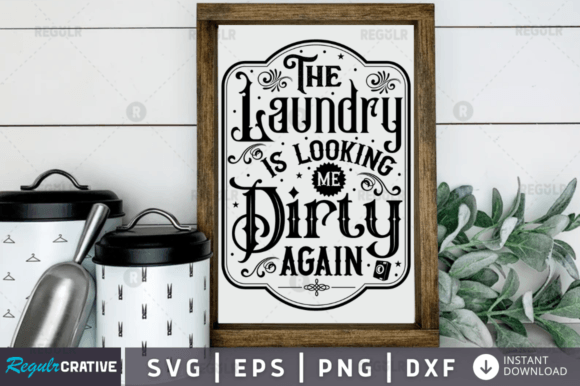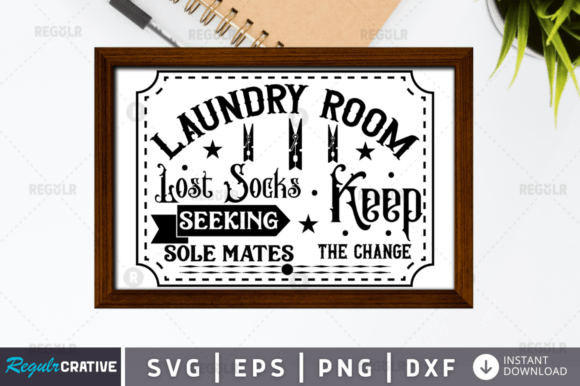
Laundry Room Svg Design: A Real-World Review
As a designer who has spent years translating digital files into tangible thread and fabric, I approach every new asset with a mix of excitement and skepticism. The Laundry Room Svg Design arrived in my queue as part of a broader bundle focused on humor and home organization. At first glance, it fits squarely into the Crafts category, but its potential goes far beyond a simple graphic. It promises to be a staple for those looking to add personality to mundane spaces. Before I commit this design to a client project or list it as a handmade product in my shop, I need to understand how it translates from screen to stitch.
First Impressions: Mood and Visual Personality
The initial visual impact of the Laundry Room Svg Design is playful and inviting. It captures the chaotic yet necessary nature of laundry day without feeling cluttered. The layout suggests a balance between bold shapes and readable text, which is crucial for any embroidery file intended for apparel or home decor. When I look at the vector lines, I see opportunities for varied stitch types. The thicker outlines could handle a robust satin stitch, while the interior areas seem primed for a clean fill stitch. This versatility makes it an attractive option for creating custom apparel that feels both professional and whimsical.
However, the true test of any design lies in its application. I immediately started thinking about how this would look on a heavy cotton tote bag versus a delicate baby onesie. The "funny" aspect mentioned in the description suggests it leans towards humorous quotes or icons, which are popular for personalized gifts. If the lettering is too intricate, it might lose legibility on textured fabrics. For a small business owner or Etsy seller, ensuring the message lands clearly is vital for customer satisfaction and brand consistency.
Testing the Design in Real-Life Scenarios
To truly evaluate the Laundry Room Svg Design, I imagined preparing a custom embroidered sweatshirt for a boutique launch. Sweatshirts are a fantastic canvas because they offer a sturdy surface, but the fabric texture can sometimes interfere with fine details. In this scenario, the design's boldness would likely shine. The contrast between the dark thread and the heather grey fabric would make the graphics pop, turning a basic garment into a standout piece of custom apparel.
I also considered using this as a patch design. Embroidered patches are a booming market for craft businesses. If the Laundry Room Svg Design has clean edges and distinct separation between elements, it would work beautifully as an iron-on patch for denim jackets or backpacks. The ability to create a cohesive set of products—from a sweatshirt to a matching cap—adds significant value to a finished product line. For holiday embroidery projects, this design could easily become a top-seller if paired with seasonal colors, offering a unique twist on traditional gift ideas.
Another strong use case is nursery decor or baby items. Parents love personalized gifts that add a touch of humor to their daily routines. Imagine a kitchen towel or a pillow cover featuring this design; it adds character to a space that often lacks decoration. The key here is the scale. On a small item like a baby hat, the design needs to remain recognizable without overwhelming the fabric. This is where the designer's eye comes in, adjusting the hoop size and density to ensure the final result looks intentional rather than cramped.
Navigating Challenges: Where Caution is Needed
While the Laundry Room Svg Design shows great promise, there are specific situations where it requires careful handling. Small hoop sizes can be a trap for designs with dense text or intricate corners. If you attempt to embroider this on a 4x4 hoop without resizing, you risk losing detail or having stitches overlap awkwardly. Always check the dimensions against your machine's capabilities before starting.
Fabric choice is another critical factor. Textured fabrics like fleece or thick canvas can hide fine lines, making tiny lettering unreadable. Similarly, stretchy fabrics require the right stabilizer to prevent puckering. If you are working with dark fabric, the thread colors must be selected carefully to ensure high contrast. A light-colored thread on a black background works well, but the density of the fill stitch must be sufficient to completely cover the dark base material. Layered garments or curved surfaces like caps also demand attention to detail; the design may need to be simplified or adjusted to follow the curve of the brim without distorting the image.
Practical Notes for the Professional Designer
Before integrating the Laundry Room Svg Design into your workflow, I recommend a rigorous testing phase. Start by stitching a test run on scrap fabric that mimics your final material. This allows you to check thread color contrast, review stitch density, and confirm the hoop size is appropriate. Inspect small details closely under good lighting; what looks clear on the screen might appear muddy when stitched.
It is also wise to test the design in black and white mockups to see how the shapes hold up without the distraction of color. Compare the design on both light and dark fabric backgrounds to ensure versatility. Using proper stabilizer is non-negotiable for maintaining the integrity of the embroidery project. Whether you are creating a single personalized gift or producing commercial embroidery for a small shop product line, these steps ensure quality.
Finally, always verify the licensing terms. While the description states the design can be used for various purposes, including t-shirts, mugs, and signs, you must confirm whether you are allowed to sell the finished items or the digital file itself. For craft business owners and digital product sellers, understanding the scope of the license protects your brand and ensures you are operating within legal boundaries. The Laundry Room Svg Design offers a fun, practical way to elevate your craft offerings, provided you approach it with the same care and precision you bring to every other element of your creative process.